
Technical report translation: what happens to each part of an engineering or research report.
Technical report translation keeps a report's values and units as issued and changes what a reader reads: the summary, the text, and the captions and labels of its figures and tables. For a federal institution, a published report may count as a communication with the public, which goes out in both official languages from designated offices.

What does a technical report translation involve?
A technical report carries findings that someone will act on: a geotechnical baseline, an environmental quality assessment, a flood hazard methodology, a test result. Its translation keeps every finding, value and unit as issued and changes the language around them. Figures, tables, appendices and references each follow their own rule, set out below.
What happens to each part of the report?
The parts are translated differently, and the order matters when time is short:
- Title page and executive summaryCan be translated first when a decision depends on itThe summary's terms must match the body's
- Body textTranslated in fullThe same term for the same thing, chapter after chapter
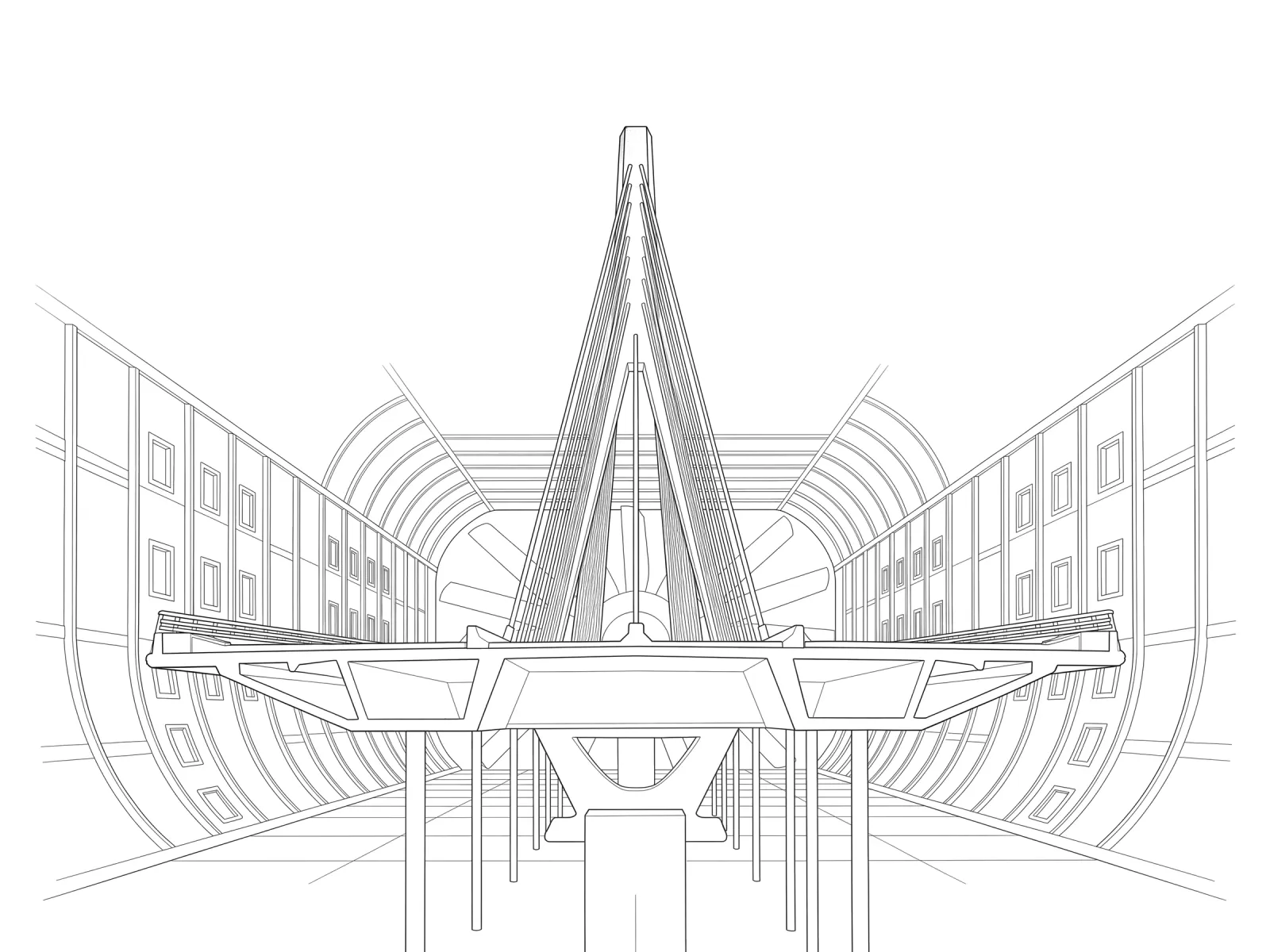
- Figures and mapsLabels, legends and title blocks translated; AutoCAD drawings come back as DWG with the translation in placeLabels that must match the text; agree at the quote how text inside images is handled
- TablesHeadings and text cells translated; values keptUnits stay as issued unless you ask
- UnitsKept as issued; converted only on requestThe two versions show the same values
- ReferencesWe recommend keeping cited titles in their original languageSo a reader can find the source
- Appendices: lab data, borehole logs, field sheetsTranslated or kept, as agreed at the quoteAgree at the quote which appendices are translated
Units stay as issued and are converted only on request, so a reviewer checking the French against the English finds 2.5 m in both, not 2.5 m beside 8.2 ft.
Does a federal report have to be in both official languages?
When it is a communication with the public from a designated office, yes. Section 22 of the Official Languages Act gives every federal institution the duty to ensure that “any member of the public can communicate with and obtain available services from its head or central office in either official language”, with the same duty for its offices in the National Capital Region or where there is significant demand.
Treasury Board’s Directive on Official Languages for Communications and Services then requires “communications with and services to the public from a designated office” to be “in both official languages, regardless of the method of communication used” (6.2.2). The directive has no provision specific to research or technical reports.
This post reads the Act as current to October 29, 2026 and the directive as modified October 15, 2012, both on November 24, 2026. It is not legal advice: whether a given report is a communication with the public is for the institution’s official languages team. A report a consultant writes for a federal client should be planned for translation if it may be published, so the French version is ready when the English goes online.
What to send with a report
Send the report in its editable format (Word or the authoring file), not only the PDF. Send the figures and maps as their source files where you have them: text in an AutoCAD drawing is written back into the DWG, and for text inside images we agree the handling at the quote.
Send the previous edition and its translation, if there is one. We enforce one glossary across the report, its drawings and the project’s specifications, so the new edition keeps the terms of the last one.
Reports and technical documents we have translated
Described by type:
- R-01environmental quality reports and soil management plans for federal defence sites, hazardous materials reports, and the sediment sampling and seabed remediation of a wharf removal;
- R-02a federal coastal flood hazard methodology, a territorial ice jam flood mapping guideline and an engineering memorandum on the geomorphic side of floodplain mapping;
- R-03geotechnical baseline reports;
- R-04federal school bus standards and the technical documentation of a federal online tool for trucking fleets.
Common questions
Do you offer scientific translation for research reports?
Do you convert units in a report?
Do you translate the text in figures and maps?
Should the references be translated?
Can you translate only the executive summary?
Your engineers review the translation in the terms they approved.
Send your package: specs, drawings or reports. We reply with a price and a date.
FreeFree terminology checkUpload a recent translated deliverable. We return a short report of every inconsistent term.