
Over 400 pages of Arctic harbour studies, into French.
An engineering firm's marine, geotechnical and environmental studies for two harbours in Nunavut: about 72,000 words, 39 images and drawings and one shared translation memory.
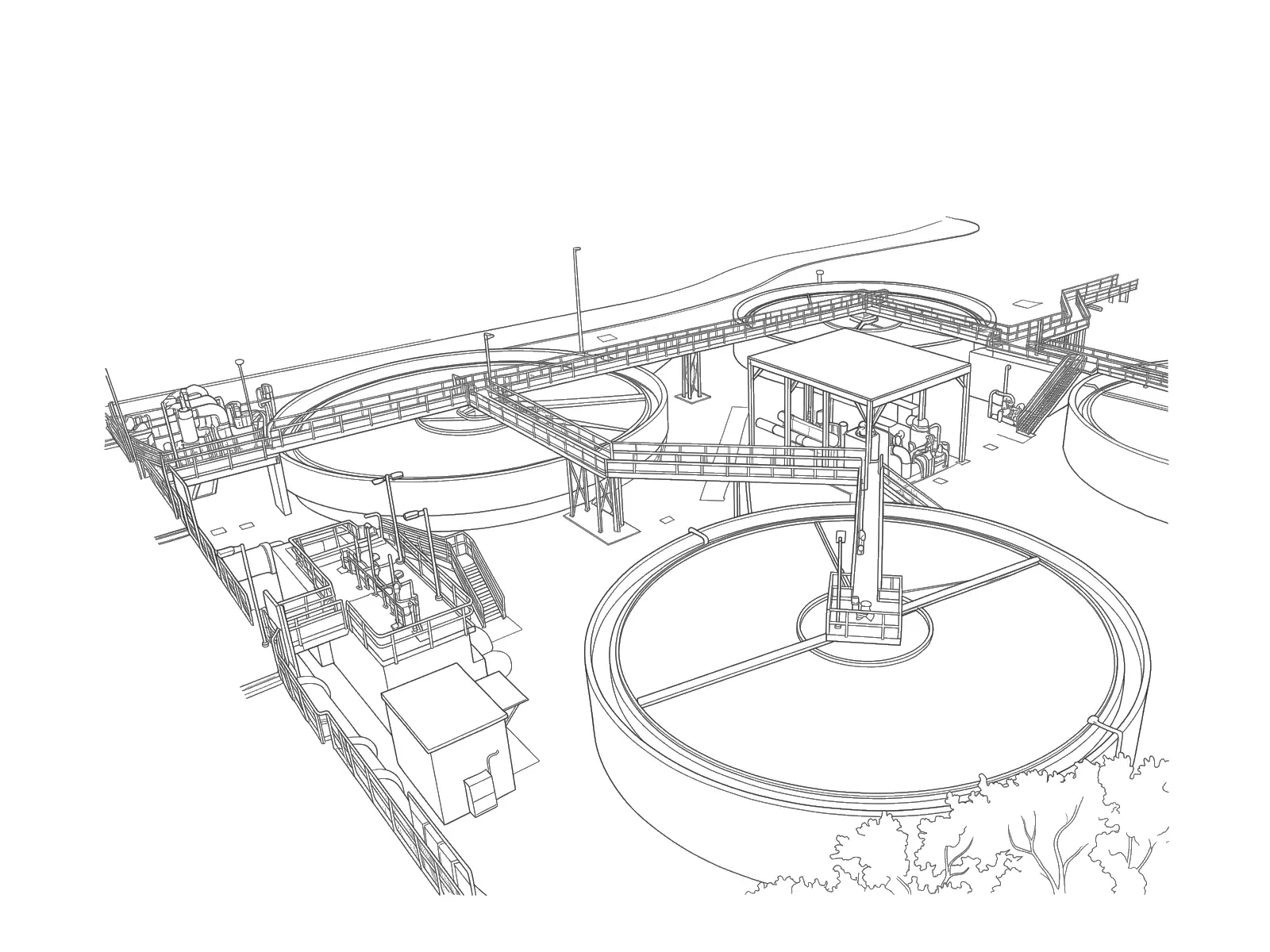
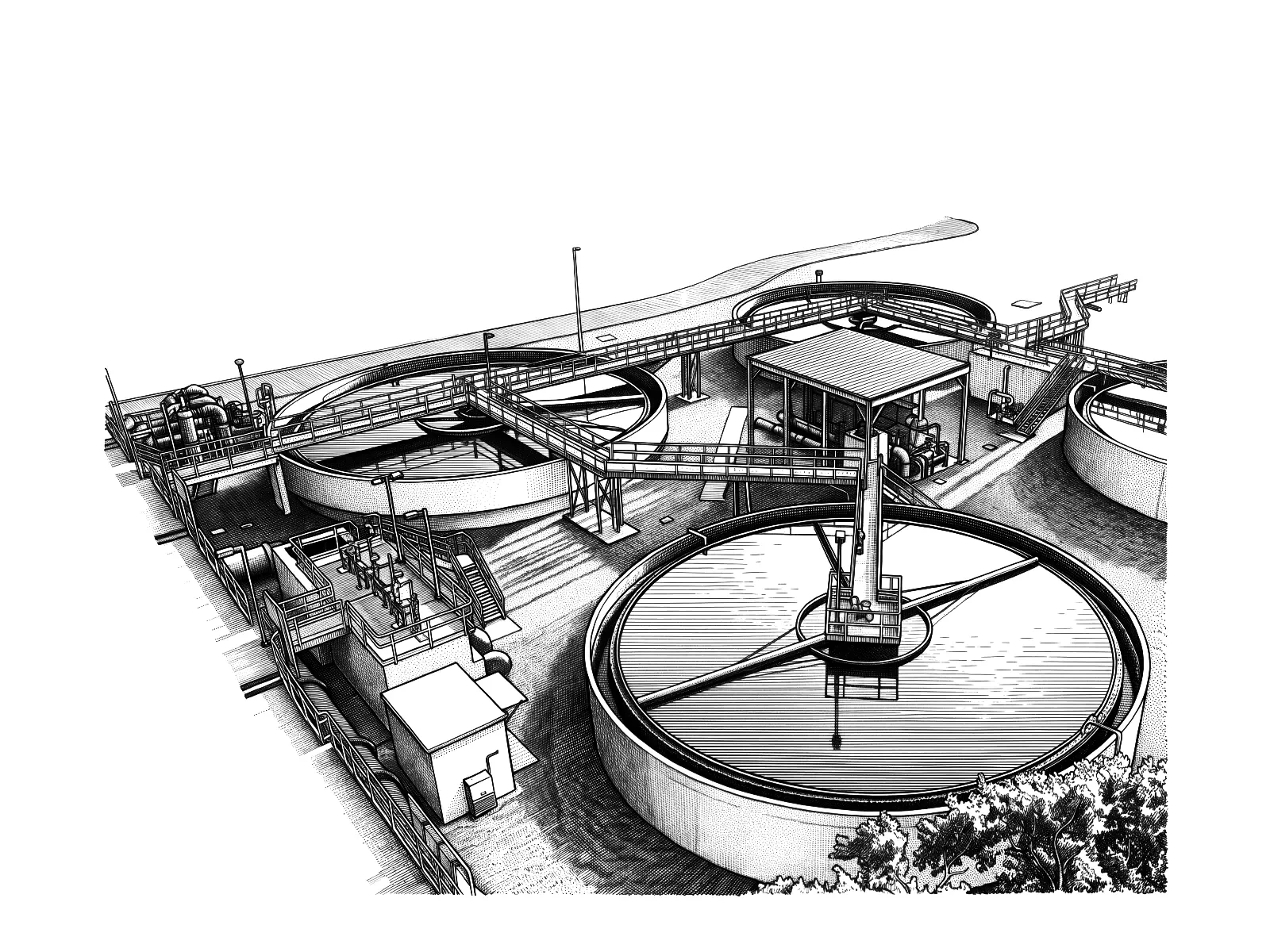
The project
A public owner in Nunavut had a request for proposals open for marine infrastructure at two harbours. The request went out in English. A French-speaking contractor then asked for the studies behind it in French, and the engineering firm that held them brought them to us.
The French was for information only. Several of the files state that the English prevails.
What arrived
The main reports came as Word files and the drawings as AutoCAD DWG, so those could go straight into translation. Older parts existed only as PDF and went through OCR first.
One of those parts was a geotechnical study from the 1970s, attached as an appendix. It could not be skipped: a later assessment for the same waterfront relied on that borehole data, decades old and from a single site, and said so.
Why the terms were hard
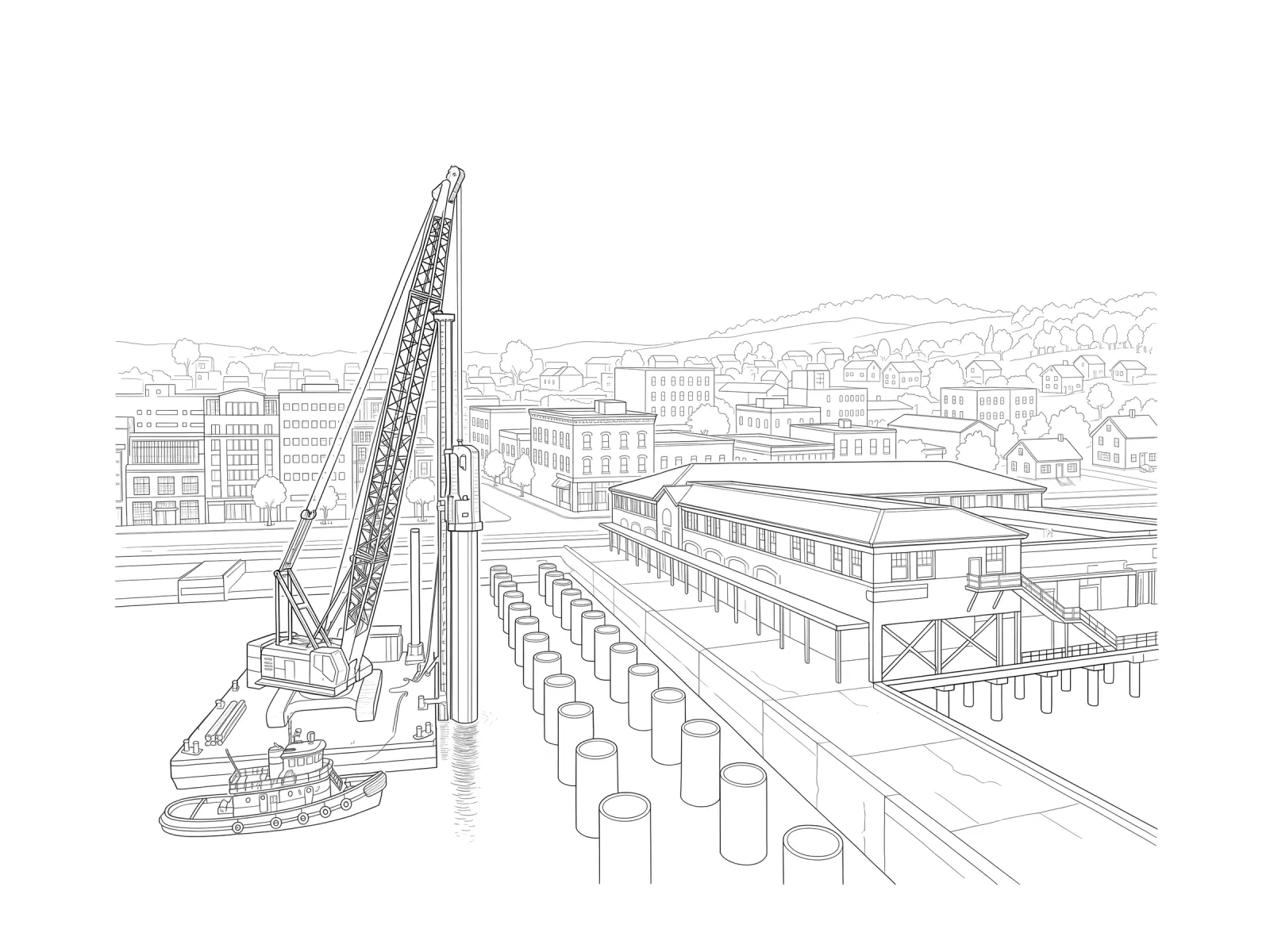
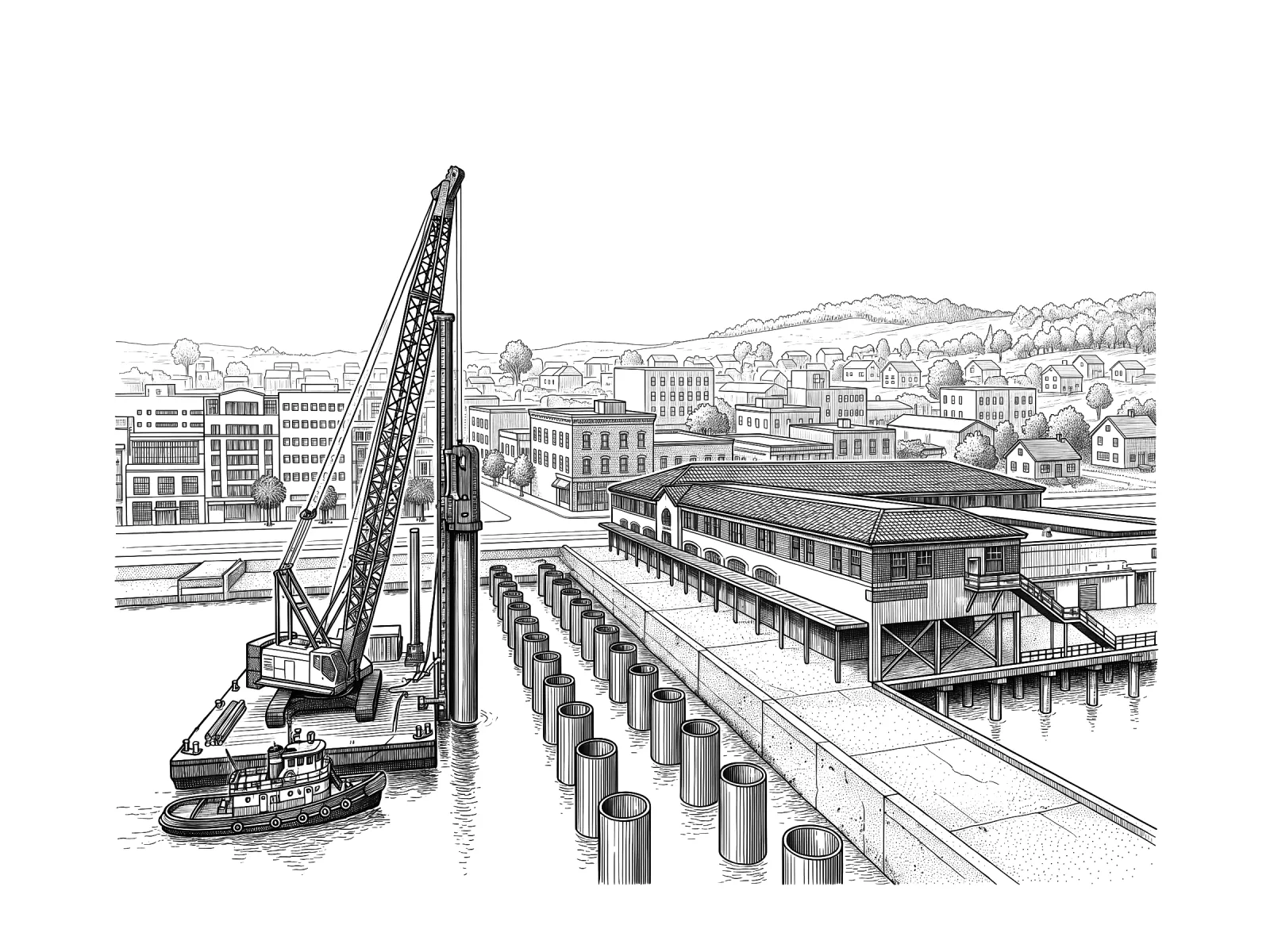
The set spans four decades, comes from several consultants and covers three fields: marine, geotechnical and environmental. Much of it describes Arctic practice with little French precedent. At one harbour, for example, the sheet pile cells are proposed for construction from the winter ice.
Abbreviations had to be rebuilt in French, and regulators had to carry their official French names. A sample from the delivered files:
- rubble-mound breakwater: digue à talus
- approach causeway: pont-jetée d’approche
- littoral drift: dérive littorale
- subsea permafrost: pergélisol sous-marin
- marshalling area: aire d’attente
- Small Craft Harbour (SCH): port pour petits bateaux (PPB)
- Nunavut Impact Review Board (NIRB): Commission du Nunavut chargée de l’examen des répercussions (CNER)
How the work ran
Terminology came first. Two terminologists were ordered on a Sunday night, day 1, with a day to deliver, and the first translation orders went out the next night.
Six translators then worked in one online project with one shared translation memory, so a passage confirmed by one was there for the others. One reviewer, the only one on the purchase orders, worked 49 hours from day 3. The invoice gives one delivery date for all four parts of the order, day 18, 17 days after the first order, and the job was billed as a rush.
What it means for your tender
Old appendices, mixed file types and several consultants all came up here. We can plan for each one when the package arrives early, and an early package avoids the rush billing this one needed. A French request can also arrive after the tender is out, as it did here, so know which documents you would send: usually the specifications, the drawings and the studies bidders rely on.
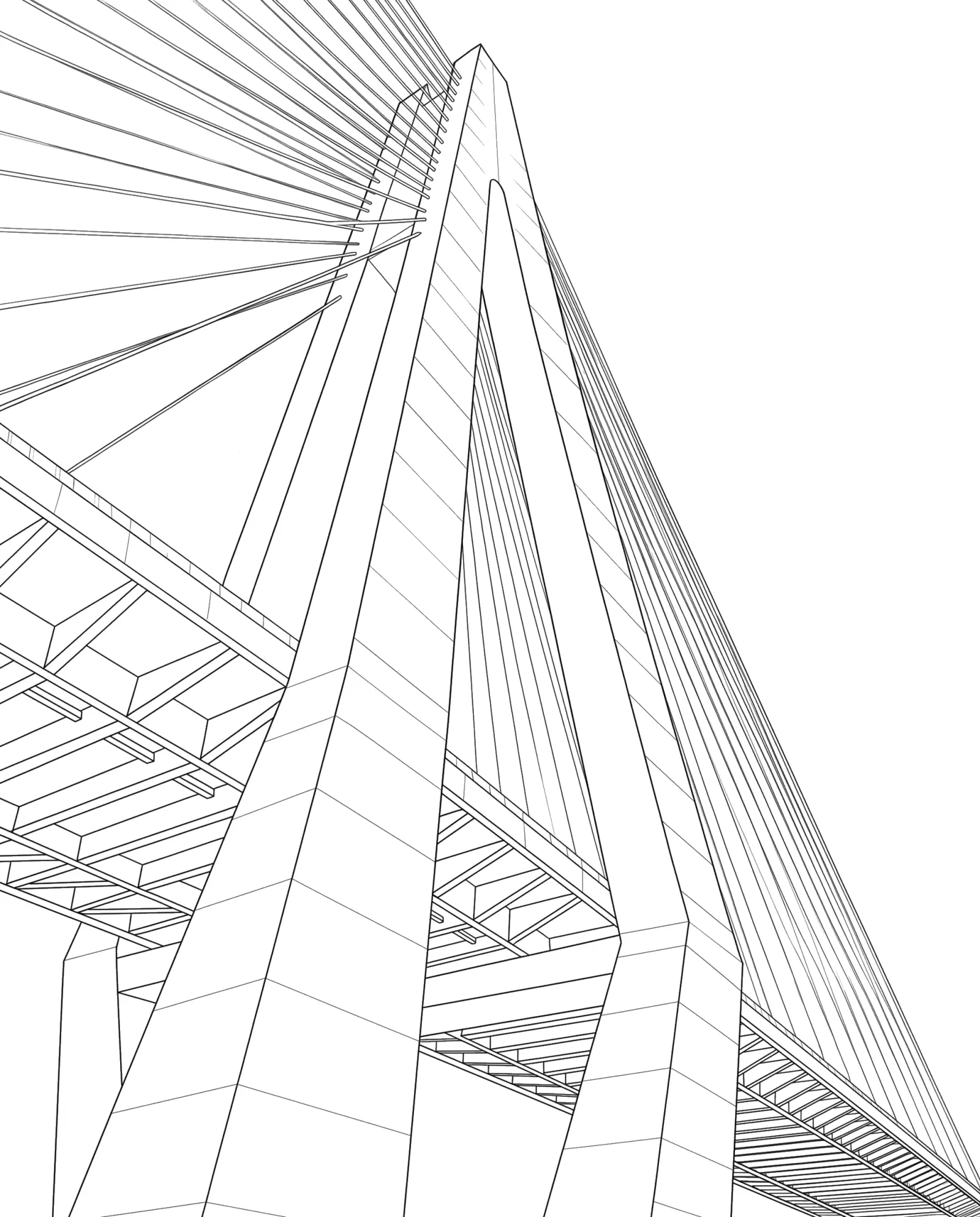
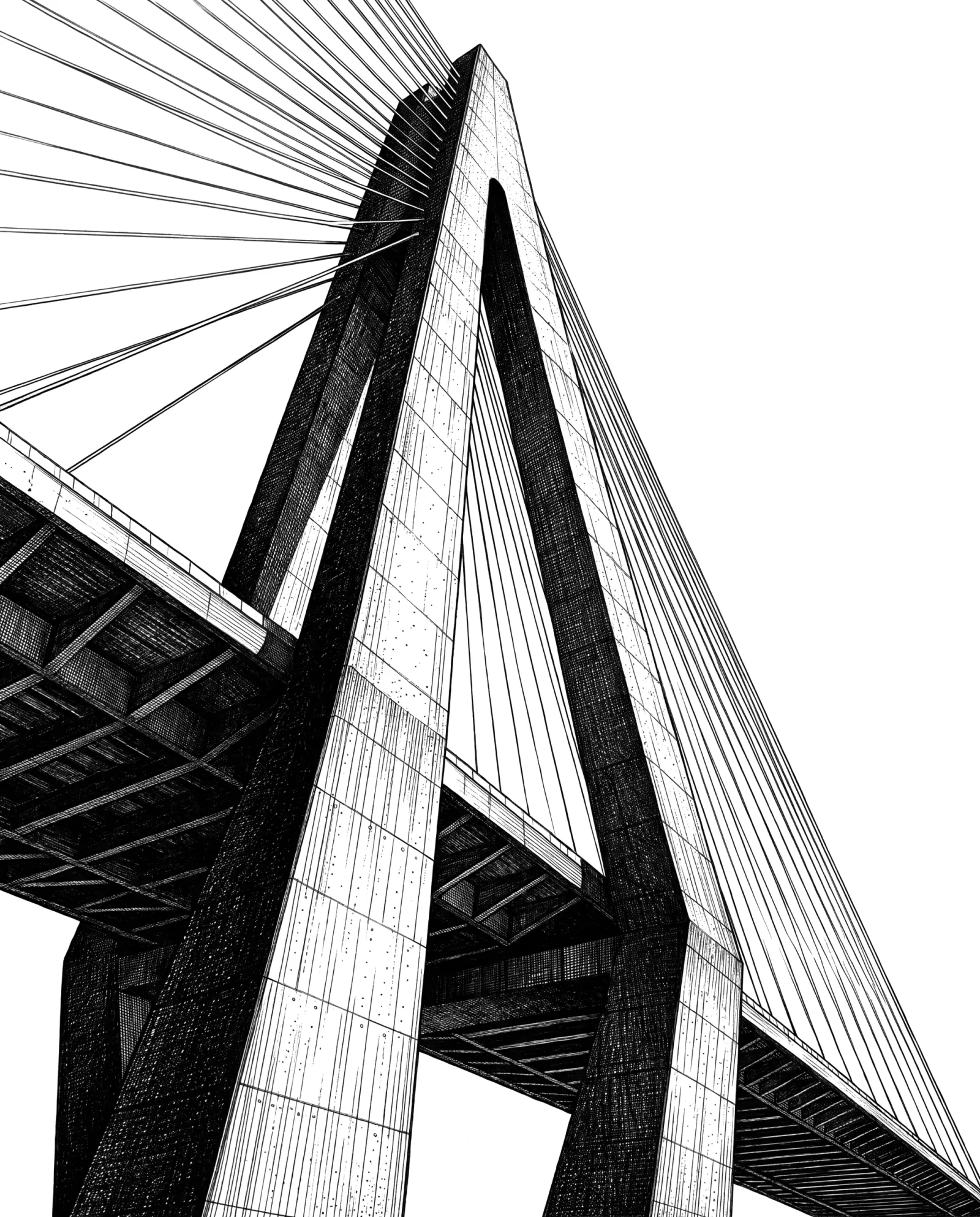
Our drawing work has changed since then. At the time, these drawings carried their French in Word and PDF. Today, AutoCAD DWG drawings come back with the French written in place, in the same terms as the studies. See tenders and bids.
Bidding soon? Request a quote with your closing date, answered within one business day, or send a recent deliverable or drawing for a free, confidential terminology check.
Marine, geotechnical and environmental studies.
Localized, with the French delivered in Word and PDF.
Six translators and one reviewer in one shared translation memory.
Back to a 1970s geotechnical study, read through OCR, that a later assessment still relied on.
| Rev | Description | By |
|---|---|---|
| 0 | Received: reports in Word, drawings in DWG, older parts in PDF | Client |
| 1 | Terms researched by two terminologists | TT |
| 2 | Translated by six translators in one shared memory | TT |
| 3 | Reviewed by one reviewer | TT |
| Issued in French | TT |
Your engineers review the translation in the terms they approved.
Send your package: specs, drawings or reports. We reply with a price and a date.
FreeFree terminology checkUpload a recent translated deliverable. We return a short report of every inconsistent term.