
Engineering translation services, discipline by discipline.
Drawings, specifications and reports translated between English and Canadian French for engineering firms, in the terms each discipline uses, approved once and applied to every document you issue.
Every discipline has its own language
A geotechnical report and an electrical single-line diagram don’t share a vocabulary. In French, a massif can be rock in a geotechnical report and a concrete duct bank in a trench note, and the translation has to follow the discipline. When it treats them the same, your engineers end up correcting it term by term.
We work discipline by discipline, with the terms each one uses, approved once and applied to every document after. Technitrad has translated engineering and construction documents between English and French since 1987. Six of the world’s ten largest engineering firms are Technitrad clients.
What engineering firms send us
- E-01
Drawings
Plans and profiles, standard details, structural drawings and general notes, single-line and riser diagrams, panel and equipment schedules, shop drawings and as-built records. AutoCAD drawings come back as DWG with the translation written in place. We have translated over 4,000 of them. - E-02
Specifications
National Master Specification sections, owner and municipal specifications, Québec standards such as BNQ 1809-300 and the MTQ’s CCDG, and performance specifications. Section numbers, titles, parts and articles stay as issued. - E-03
Reports and studies
Geotechnical reports and borehole logs, condition assessments, calculation summaries, short-circuit and coordination studies, energy audits, Phase I and II environmental site assessments and monitoring reports, including those of an environmental impact assessment. - E-04
Tender documents
Tender packages, addenda, bid forms and the sections of a contractor’s bid. - E-05
Manuals and procedures
Operation and maintenance manuals, commissioning and balancing reports, control sequences, test procedures and training plans. On a transit contract they sit beside the safety analyses: see FMECA translation. - E-06
Site and supplier documents
Environmental protection plans, erosion and sediment control plans, traffic management plans, permits, submittals and signage.
Units stay as issued unless you ask us to convert them. We translate in both directions: English to French for most federal and national work, French to English when a project was written in Québec.
One term base across the whole set
On an engineering project, the costly error is often one component with two names. A damper becomes one thing on the mechanical drawings and another in the control sequence. A maintenance hole is a regard de visite on the plan and a trou d’homme in the specification. Each word is defensible on its own, and a bidder reading both versions now has to ask whether they mean the same structure. The question comes back through the owner, your team answers it, and the answer can become one more addendum.
It happens because a package reaches translation in pieces. The drawings go out first, the specification follows, a subconsultant’s report arrives from another firm, and the addenda come weeks later. Each part may go to a different translator, and each can choose a correct term. So we settle the terms once, at the start, and hold every document to them.
- 01We read the package and pick out the terms that matter: structures, components, materials, tests and the words that recur across documents.
- 02We translate them, and a subject-matter expert validates them, usually your engineer of that discipline.
- 03The approved terms go into a term base that the drawings, the specification, the reports and the addenda all draw from, and a final check runs every document against it.
- 01Your owner's or client's approved term
- 02Your firm's
- 03The official wording of the standard
When sources disagree, the order is fixed: your owner’s or client’s approved term first, then your firm’s, then the official wording of the standard the document follows. A term fixed late costs more, because by then it appears in more documents and deliverables (Warburton, 2024). A General Motors study of its own translations traced 47% of the errors to wrong terms (SAE J1930, Woyde 2005). A large package names hundreds of structures, materials and layers, and each one can pick up a second name.
The term base we build from your documents is yours to keep. It carries from one batch to the next and from one year to the next, so each new report in a monitoring series starts from the French the first one used.
The disciplines
Each discipline has its own page, with the documents it involves, a term table and a project.
- Civil and infrastructure: roads, sewer and water, drainage, retaining walls and municipal works.
- Structural: concrete, steel, masonry, wood, condition assessments and safety reviews.
- Geotechnical: site investigations, borehole logs, foundations, shoring and rock anchors.
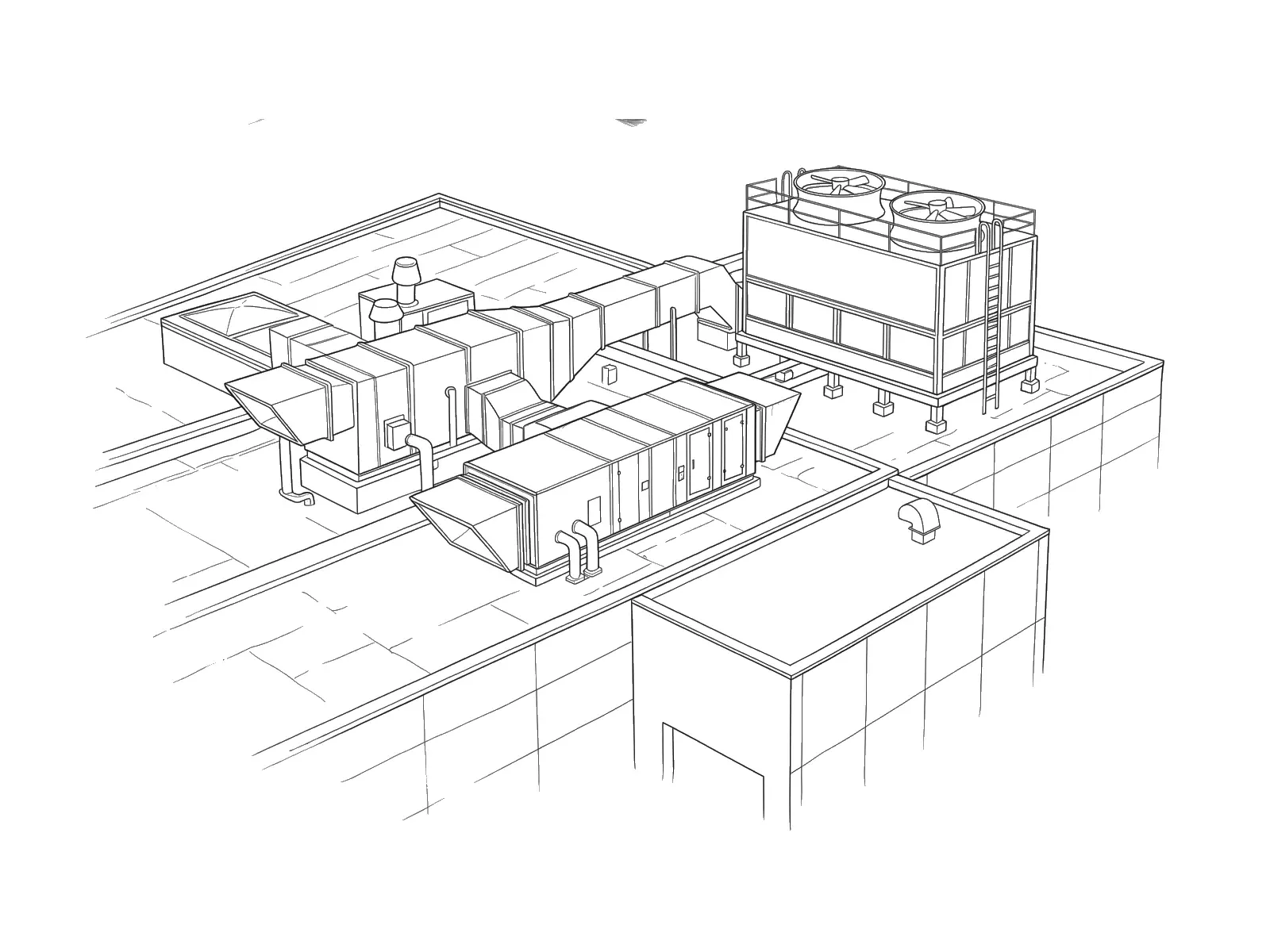
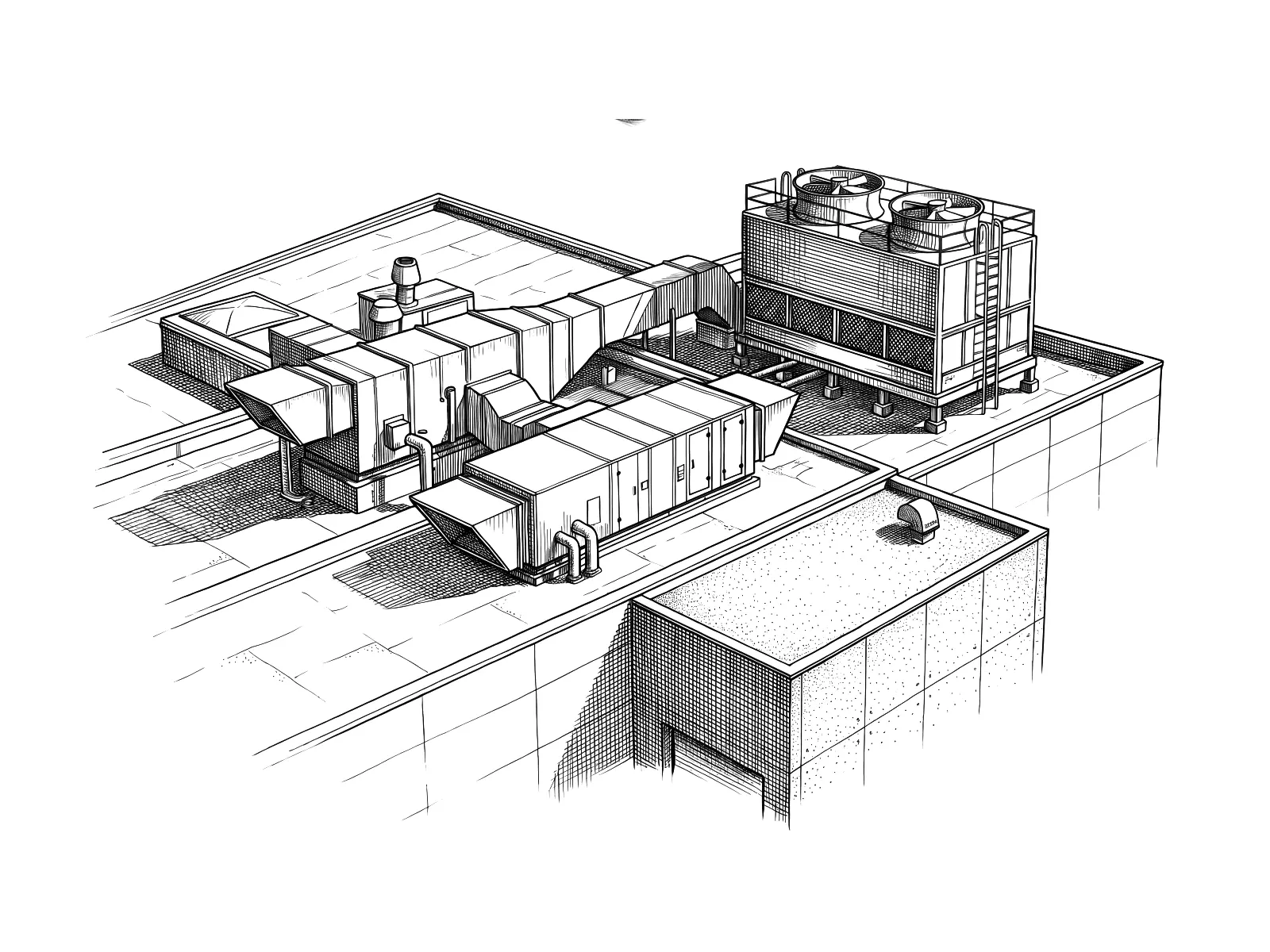
- Mechanical and MEP: HVAC, plumbing, fire protection and building controls.
- Electrical: power distribution, controls, lighting and cable schedules.
- Environmental: site assessments, monitoring programs, water and impact studies.
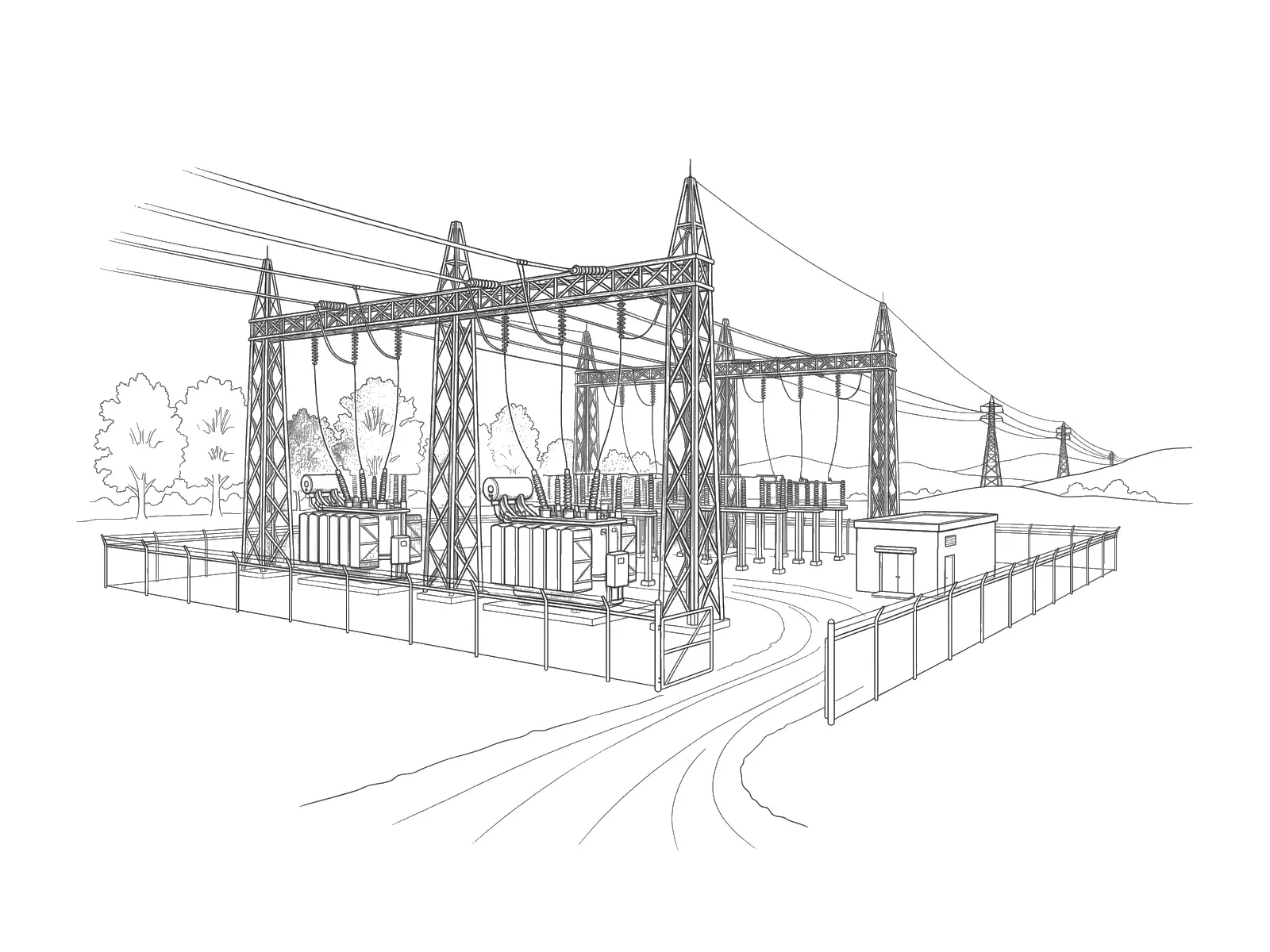
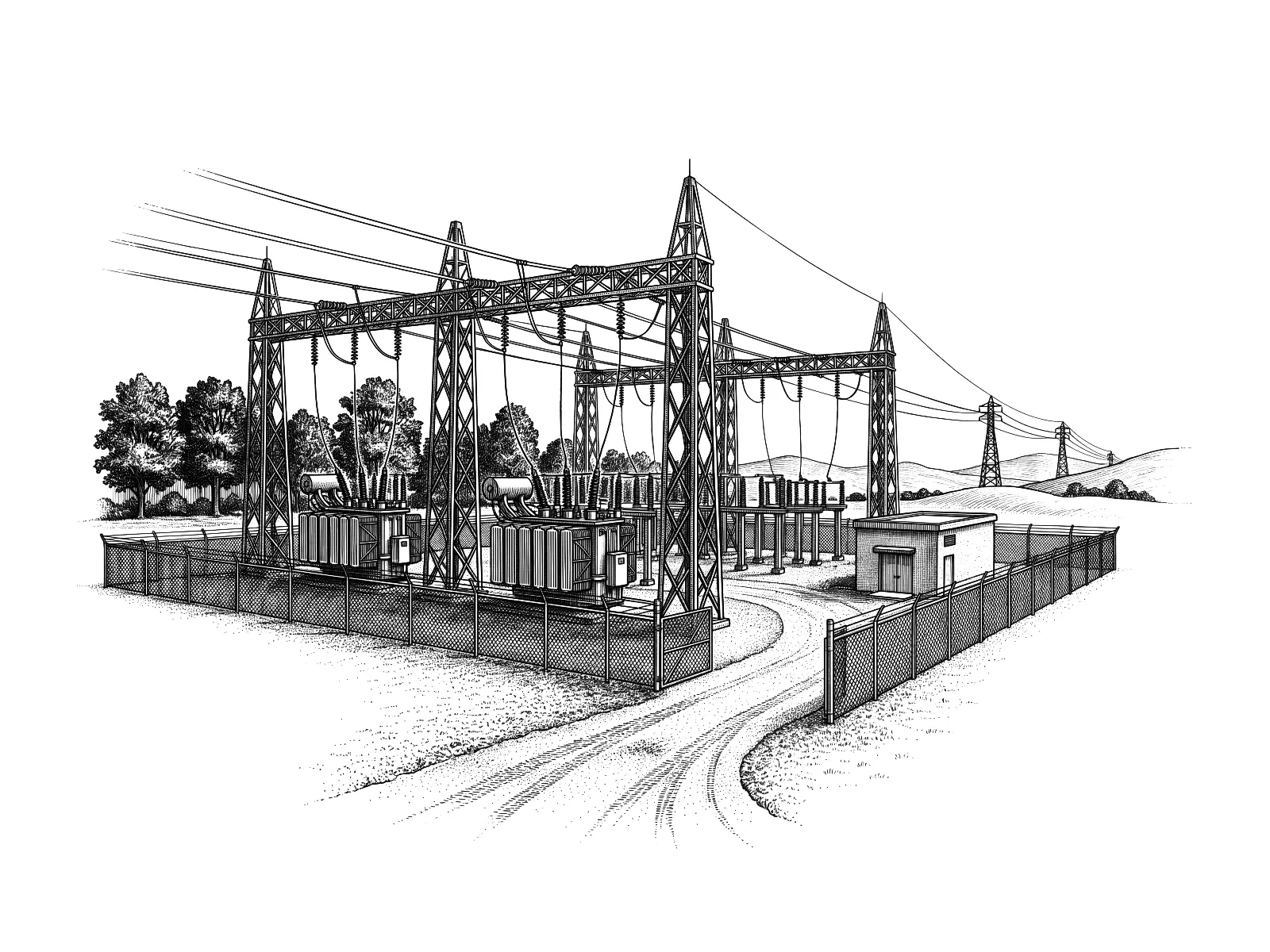
- Energy: generation, substations, backup power and regulators’ reports.
- Transportation: roads, bridges, rail and marine works.
Projects, by type
Project write-ups name the type of work, never the client.
A site investigation package for a planned building on a tight urban lot in Canada
French to Englishseven reports by different specialists, from the geotechnical study and trial trench notes to the environmental characterization and archaeological monitoring, plus the text of six sets of maps and figures. About 70,000 words, with every value, hedge and inconsistency carried through as the authors left it.A new potable water system at an active ferry terminal in Canada
English to French99 specification sections and 25 AutoCAD drawings across civil, process mechanical, electrical and structural work. About 122,000 words. Our translators sent the engineer and client 118 written questions along the way, about errors in the source, control language and provincial titles with no French, so the French went out with the answers built in.The rehabilitation of a road swing bridge in Canada
English to French101 electrical drawing sheets, from power and controls to marine navigation lighting and 56 cables on four schedules, delivered as French DWG and PDF.The reconstruction of a fishway for a federal owner in Canada
English to FrenchNational Master Specification sections for rock removal, demolition, concrete and metal fabrications, plus the fish transfer plan. About 53,000 words over three orders, with the standard clauses in the official French.A data centre in Canada
French to English72 DWG sheets across architectural, structural and mechanical work, then the specification, and addenda translated against the drawing text.A dam safety review in Canada
English to Frenchthe review report with its appendices, inspection checklists, operating procedures and the emergency preparedness plan, about 130,000 words over 398 pages, covering structural, geotechnical, mechanical and electrical findings.
How we check it
On specialist projects, a second linguist reviews everything before delivery, and your experts validate the key terms. Translators flag anything in the source that looks wrong, a tag that contradicts its legend or a value revised mid-job, and ask rather than guess. We’re certified to ISO 17100, ISO 18587 and CAN/CGSB-131.10, one of a handful of Canadian companies certified on all three.
How it works
- 01Send your package and any past translations. We answer with a quote within one business day.
- 02We build your term base, and you choose an AI draft your team reviews in NEOLO for routine documents, or review by our specialists when the stakes are high. The term base is yours to keep.
- 03You receive your documents in your format and your terms, ready to issue.
If your engineers translate in-house today, the AI draft gives them a first version in their discipline’s terms to review.
Questions engineering firms ask
Do you translate into Canadian French?
Can you work from our AutoCAD drawings?
Our specification follows the National Master Specification. Does that change anything?
Who checks the technical terms?
Is our package kept confidential?
Can we start small?
Send your package for a quote, or start with the terminology check.
Your engineers review the translation in the terms they approved.
Send your package: specs, drawings or reports. We reply with a price and a date.
FreeFree terminology checkUpload a recent translated deliverable. We return a short report of every inconsistent term.